
Root Canal
How to Choose a Good Root Canal Treatment: What Really Matters
A root canal can save a tooth for many years — when it’s done well. Learn the signs you may need one, what good treatment involves and the questions to ask your dentist.

Treatments · Root canal treatment
When infection reaches the inside of a tooth, root canal treatment relieves the pain and helps you keep your natural tooth instead of losing it.
About this treatment
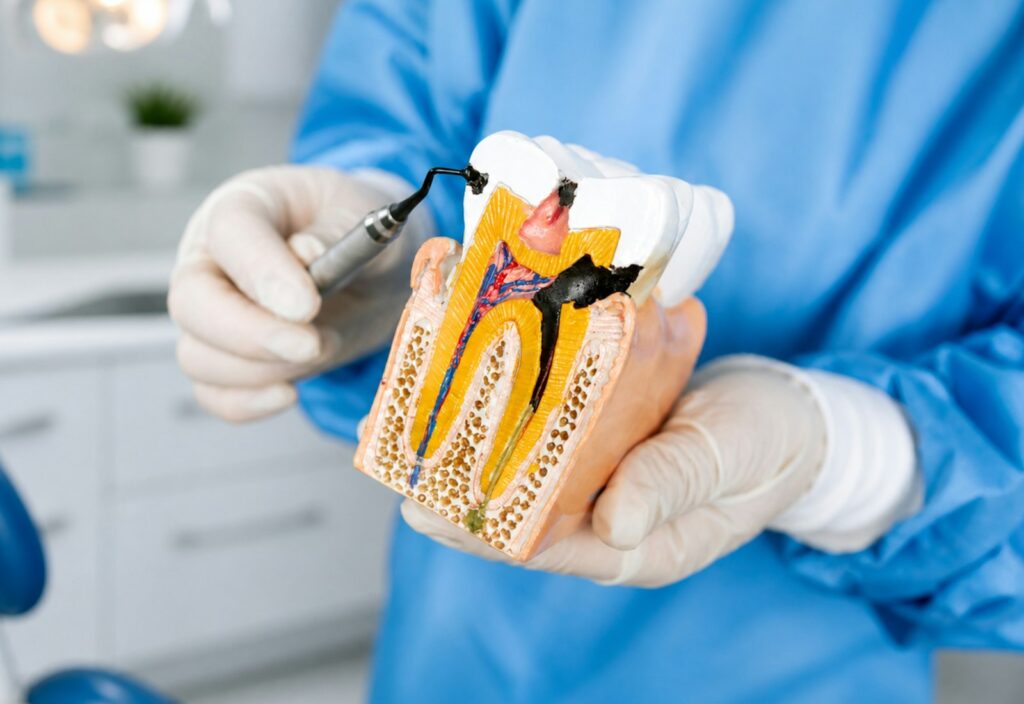
Inside every tooth is soft tissue called the pulp. Deep decay, a crack or an injury can let bacteria reach the pulp, causing inflammation or infection. At that stage a filling alone is no longer enough, and infections do not heal on their own.
Root canal treatment removes the infected tissue, cleans and disinfects the canals inside the root, and seals them. The tooth is then protected with a restoration, usually a crown, so it can keep working for years to come.
What we offer
Careful, precise treatment focused on keeping your tooth healthy.
Removal of infected pulp, thorough cleaning and shaping of the canals, and a tight seal to prevent reinfection.
If you are in severe pain, we first relieve it and control the infection, then complete your treatment.
The canals are carefully cleaned and disinfected to reduce the chance of the infection coming back.
Care for a previously treated tooth that has become painful or infected again.
A protective crown or restoration that strengthens the treated tooth and restores its shape.
Why it helps
Removing the source of infection eases the pain and swelling it causes.
Saving the tooth is usually better for chewing, your bite and your jawbone.
Treatment prevents the infection from spreading to the bone and surrounding tissues.
Done under local anaesthetic, most patients find it similar to having a filling.
How it works
What to expect from your first visit to your final check-up.
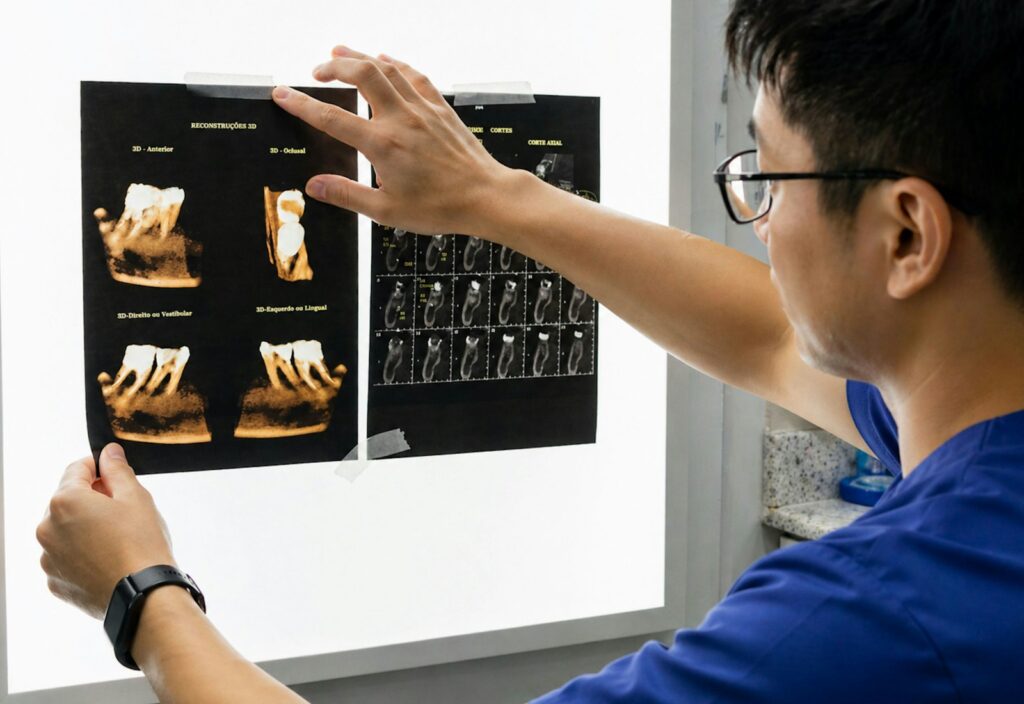
We examine the tooth and take an X-ray to see the extent of the infection.
Under local anaesthetic, the infected pulp is removed and the canals are cleaned and disinfected.
The canals are filled and sealed to keep bacteria out.
A filling or crown protects the tooth so you can bite and chew normally again.
FAQs
Answers to the questions patients ask us most often. Can’t find yours? Message us and we’ll help.
It is done under local anaesthetic, so most patients feel it is similar to having a filling. Mild tenderness for a few days afterwards is normal.
Antibiotics may reduce symptoms for a while, but they cannot remove the infected tissue inside the tooth. The infection usually returns until the tooth is treated.
Many root canals are completed in one or two visits, depending on the tooth and the level of infection. We will explain your plan before we begin.
Often, yes — especially for back teeth. A crown protects the treated tooth from cracking and helps it last longer.
With a good restoration, regular check-ups and good oral hygiene, a treated tooth can last for many years.
Dental questions
Watch quick dental tips and answers from Dr. Divya.
Helpful guides related to this treatment.
A root canal can save a tooth for many years — when it’s done well. Learn the signs you may need one, what good treatment involves and the questions to ask your dentist.
Explore more
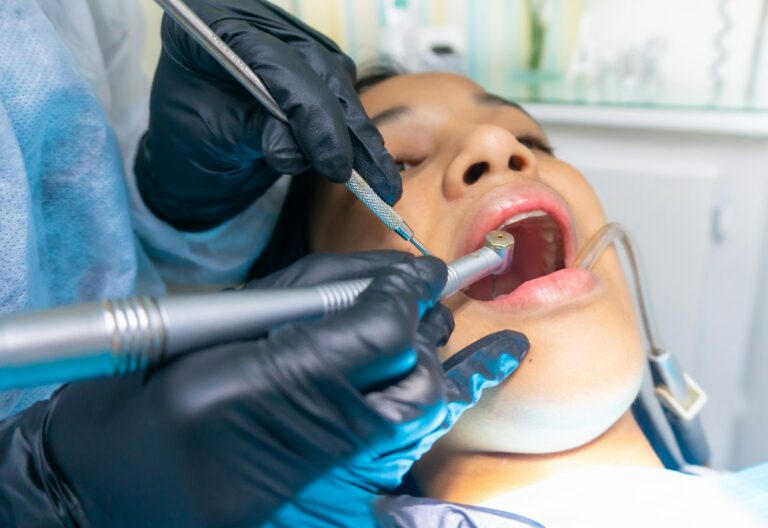
Repair decayed, chipped or worn teeth with natural-looking materials.
Learn more →
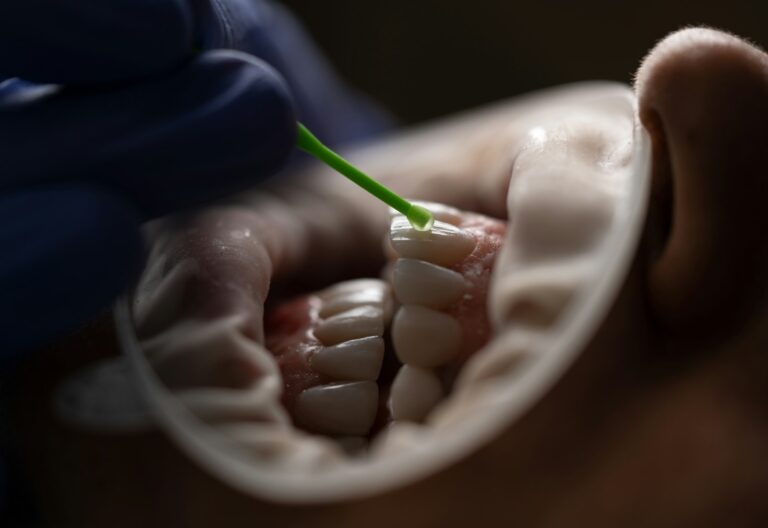
Conservative repairs that aim to protect as much healthy tooth as possible.
Learn more →

Laser-assisted care for selected gum and soft-tissue procedures.
Learn more →

Book an appointment
Tell us a little about your visit and we’ll confirm a time on WhatsApp.