
Root Canal
How to Choose a Good Root Canal Treatment: What Really Matters
A root canal can save a tooth for many years — when it’s done well. Learn the signs you may need one, what good treatment involves and the questions to ask your dentist.

Treatments · Restorative dentistry
Repair decayed, cracked or worn teeth with strong, natural-looking restorations that bring back comfort, function and confidence.

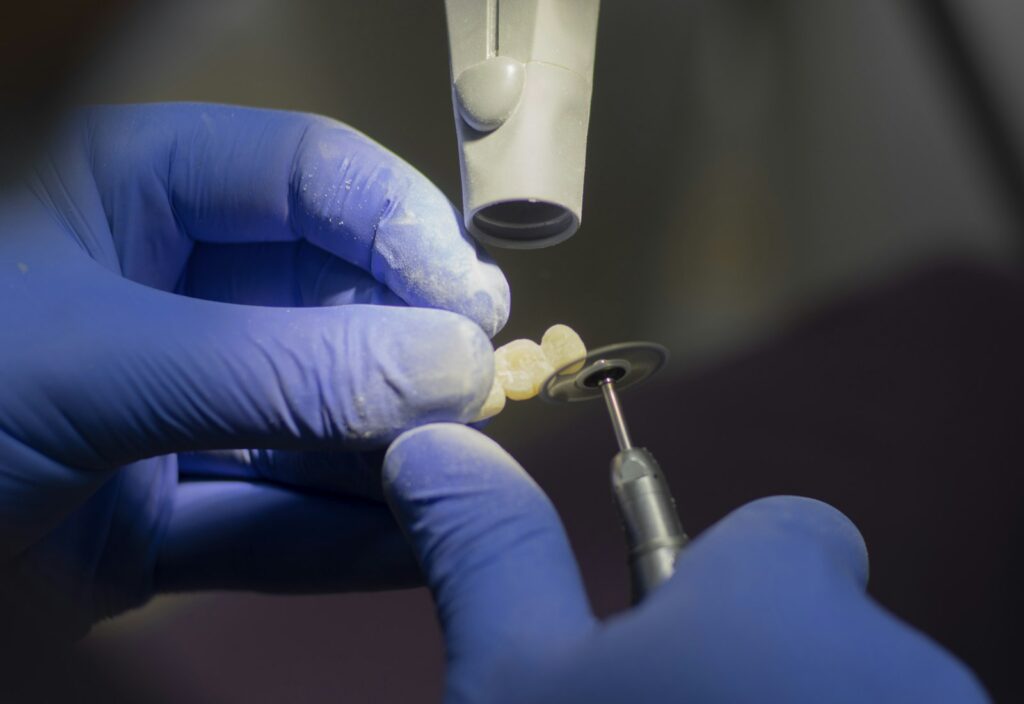
About this treatment
Restorative dentistry repairs teeth damaged by decay, cracks, injury or wear. The aim is to restore their strength and shape while keeping as much of the natural tooth as possible.
Depending on how much tooth is affected, we may recommend a filling, an inlay or onlay, a crown or, if the nerve is involved, root canal treatment. Treating problems early usually means simpler, less costly care.
What we offer
Conservative, durable restorations matched to your natural teeth.
Composite fillings that repair cavities and blend in with your natural tooth colour.
Custom restorations for larger cavities that preserve more healthy tooth structure than a crown.
Caps that cover and protect weakened or root-canal-treated teeth.
Treatment for infection inside the tooth, helping save it from extraction.
Bonded restorations that can strengthen a cracked tooth when treated early.
Why it helps
Treating a cavity early prevents it reaching the nerve.
Modern materials match the colour and shine of your teeth.
Restored teeth let you bite and chew normally again.
Conservative techniques preserve healthy tooth structure.
How it works
What to expect from your first visit to your final check-up.
We check the tooth and take X-rays to see how deep the damage goes.
We explain the best restoration for the tooth and what it involves.
The damaged part is removed under local anaesthetic and the tooth is rebuilt.
We check your bite and polish the restoration for a smooth, natural finish.
FAQs
Answers to the questions patients ask us most often. Can’t find yours? Message us and we’ll help.
No. Many cavities can be treated with a filling, inlay or onlay, depending on how much tooth structure is lost.
It can grow deeper and reach the nerve, leading to pain, infection or the need for root canal treatment.
Many years, depending on the material, the forces from your bite and your oral hygiene.
Most restorations are done under local anaesthetic, and patients usually feel very little discomfort.
Dental questions
Watch quick dental tips and answers from Dr. Divya.
Helpful guides related to this treatment.
A root canal can save a tooth for many years — when it’s done well. Learn the signs you may need one, what good treatment involves and the questions to ask your dentist.
Explore more
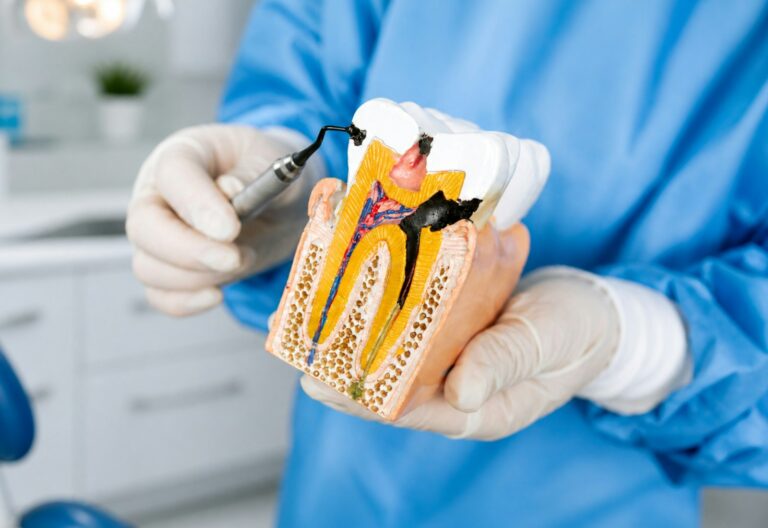
Treat infection inside a tooth and help preserve your natural tooth.
Learn more →
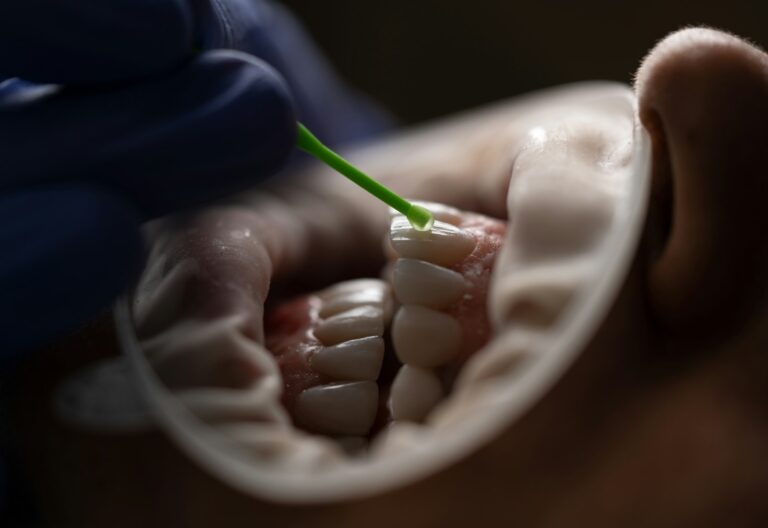
Conservative repairs that aim to protect as much healthy tooth as possible.
Learn more →
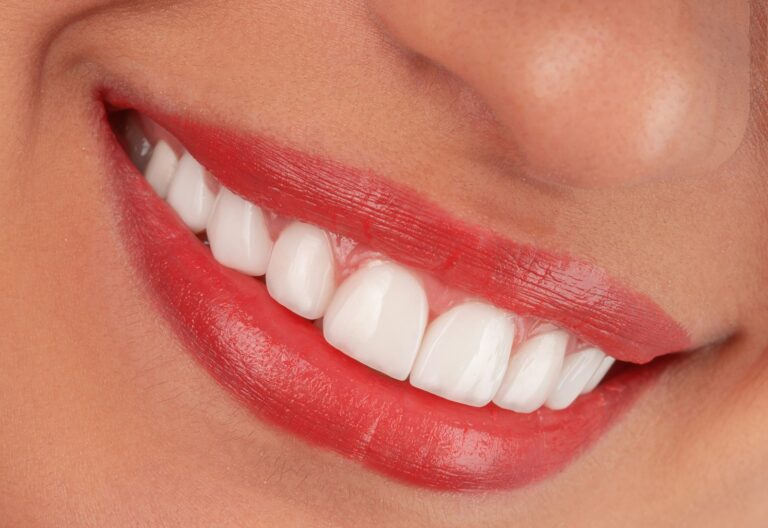
Whitening and smile improvements to help you smile with confidence.
Learn more →

Book an appointment
Tell us a little about your visit and we’ll confirm a time on WhatsApp.