Dental Implants
Dental Implant vs Bridge vs Denture: Which Is Better?
Missing a tooth? Here’s a clear, honest comparison of dental implants, bridges and dentures — how each works, the pros and cons, and how to decide what suits you.

Treatments · Dental implants
A fixed, natural-looking way to replace missing teeth — so you can eat, speak and smile with confidence again.
About this treatment
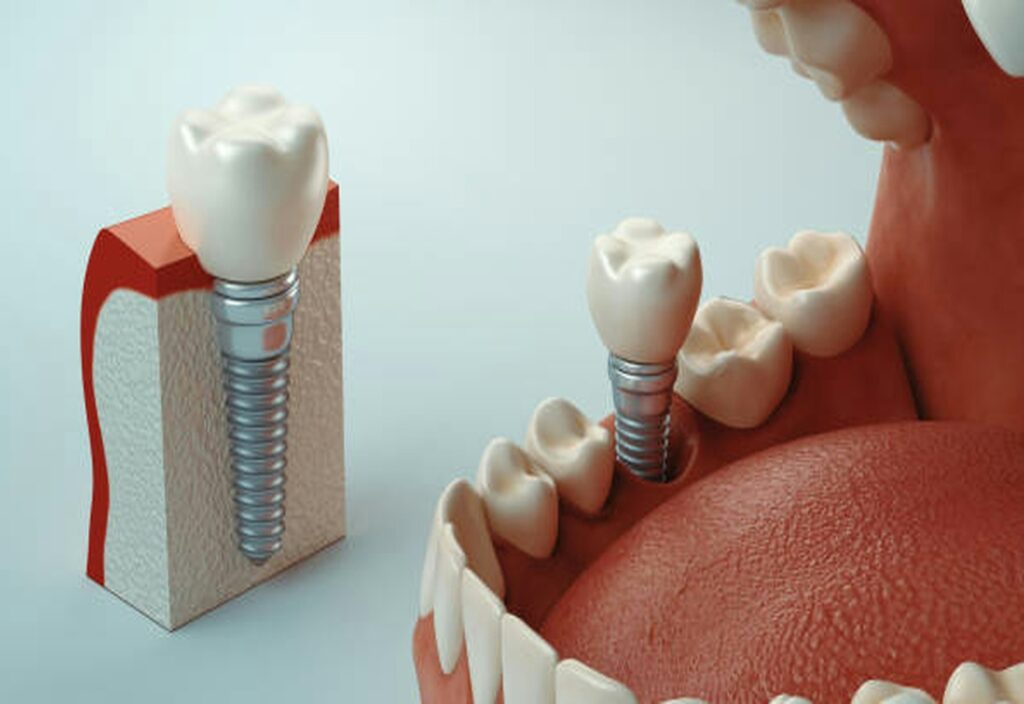
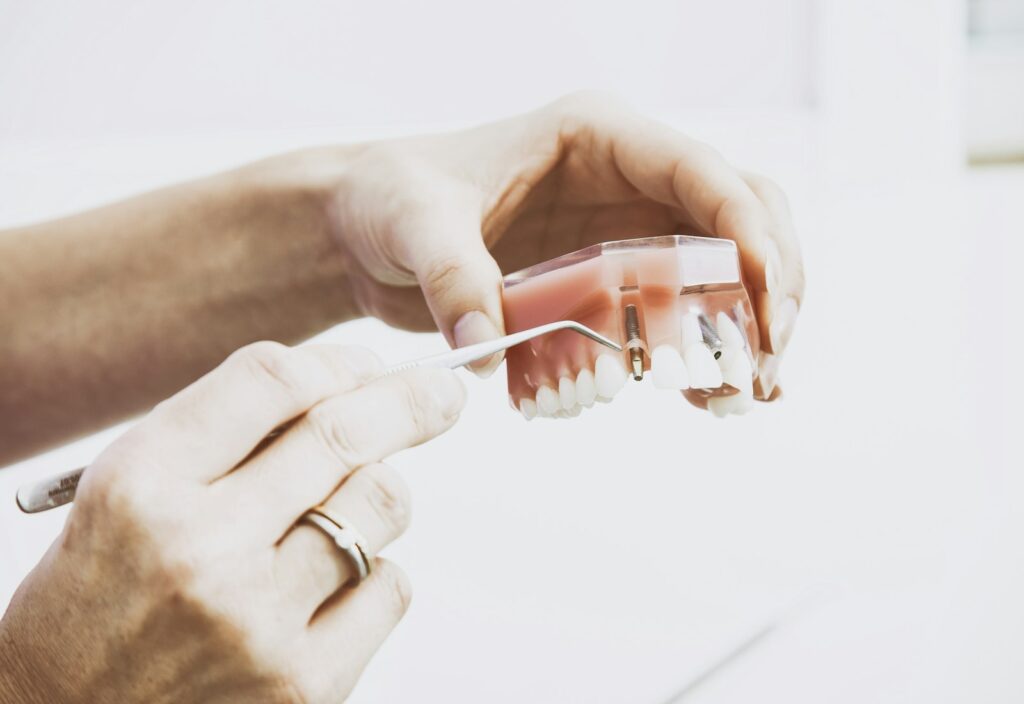
A dental implant is a small titanium post placed in the jawbone, where it acts like the root of a natural tooth. Once it has bonded with the bone, it supports a custom-made crown, bridge or denture that looks and works like your own teeth.
Unlike a traditional bridge, an implant does not rely on cutting down the neighbouring teeth. It also helps preserve the jawbone, which naturally shrinks after a tooth is lost.
What we offer
Implant options planned around your mouth and your needs.
Replaces one missing tooth without touching the healthy teeth on either side.
Replaces several missing teeth in a row using implants instead of natural teeth for support.
A fixed set of teeth supported by four or six implants when all the teeth in a jaw are missing.
A removable denture that clips securely onto implants, so it stays in place while you eat and speak.
When there is not enough bone, grafting can help create a stable base before or during implant placement.
Why it helps
Custom crowns are matched to your teeth in shape and colour.
Implants are anchored in the bone, so they don’t slip or move like dentures.
Implants help reduce the bone loss that follows a missing tooth.
With good care and regular check-ups, implants can last for many years.
How it works
What to expect from your first visit to your final check-up.
We examine your teeth and gums, take X-rays and scans, and plan the implant position.
The implant is placed under local anaesthetic in a precise, planned procedure.
Over roughly three months, the implant bonds with the jawbone. A temporary tooth may be possible in some cases.
A custom crown, bridge or denture is fitted to the implant.
FAQs
Answers to the questions patients ask us most often. Can’t find yours? Message us and we’ll help.
The procedure is done under local anaesthetic, so you shouldn’t feel pain during it. Some soreness afterwards is normal, and we prescribe medicines for a few days to keep you comfortable.
Usually a few months, in two or three stages. The implant needs around three months to bond with the bone before the final tooth is fitted.
Most adults with good general health can have implants. Conditions such as uncontrolled diabetes, smoking or gum disease need careful assessment first — we will discuss this at your consultation.
Bone grafting or other techniques can often create a strong base for the implant. We will check your bone with X-rays and scans.
Just like natural teeth — brush twice a day, clean between the teeth and keep up regular check-ups.
Dental questions
Watch quick dental tips and answers from Dr. Divya.
Helpful guides related to this treatment.
Missing a tooth? Here’s a clear, honest comparison of dental implants, bridges and dentures — how each works, the pros and cons, and how to decide what suits you.
Explore more
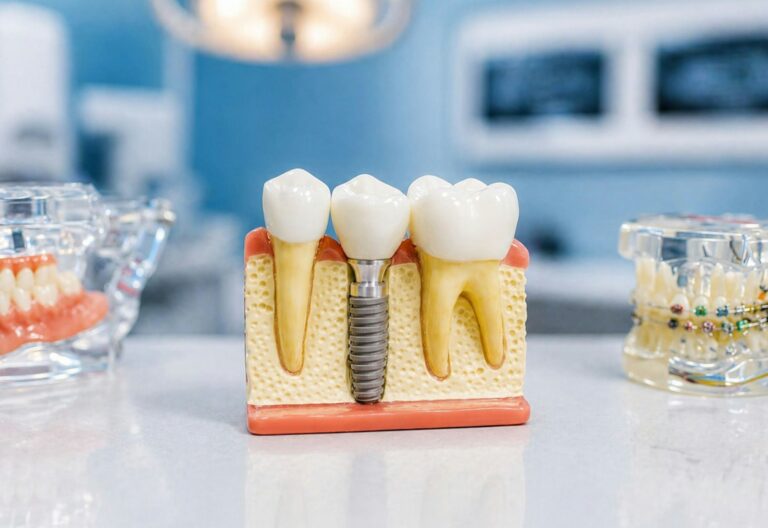
Implant-supported crowns, bridges and full-arch options, planned precisely.
Learn more →
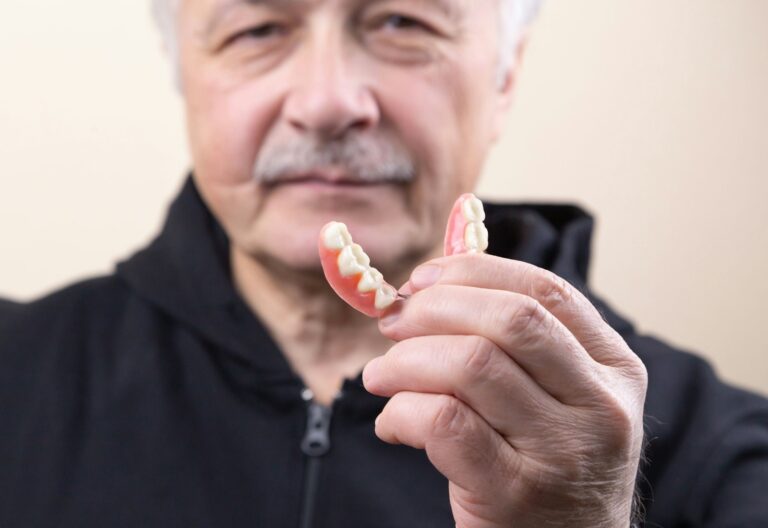
A step-by-step plan when many teeth need care at the same time.
Learn more →
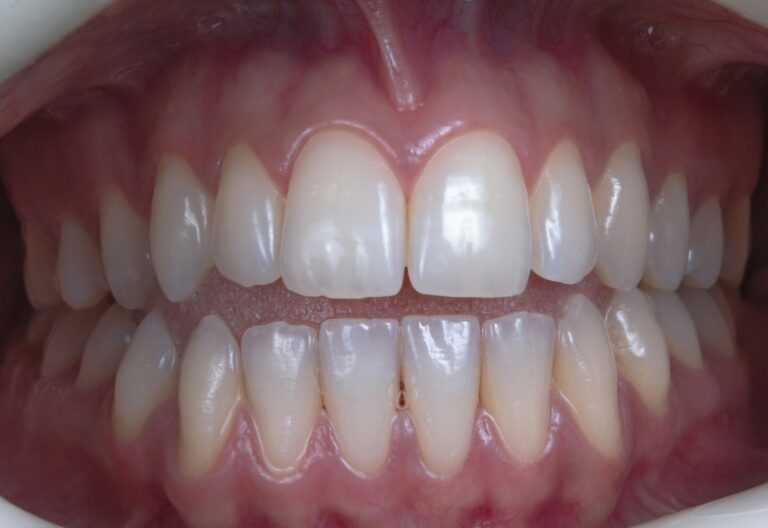
Treatment for bleeding, swollen or receding gums, including deep cleaning.
Learn more →

Book an appointment
Tell us a little about your visit and we’ll confirm a time on WhatsApp.