
Losing a tooth affects more than your smile — it changes how you chew, how you speak and, over time, the shape of your jaw. The good news is that there are three reliable ways to replace missing teeth: dental implants, bridges and dentures. Each has its place. Here’s how they compare, so you can have a more confident conversation with your dentist.
The quick comparison
| Dental implant | Bridge | Denture | |
|---|---|---|---|
| What it is | A titanium post in the jawbone with a crown on top | A false tooth held by crowns on the neighbouring teeth | A removable plate with artificial teeth |
| Fixed or removable? | Fixed | Fixed | Removable (unless implant-supported) |
| Affects neighbouring teeth? | No | Yes — they are shaped for crowns | May rest on or clip to them |
| Helps preserve jawbone? | Yes | No | No |
| Treatment time | A few months (healing needed) | About 2–3 visits | About 3–5 visits |
| Initial cost | Highest | Moderate | Lowest |
Dental implants
An implant replaces the root of the missing tooth. A small titanium post is placed in the jawbone, where it bonds with the bone over roughly three months. A custom crown is then fixed on top.
- Pros: looks and feels the most like a natural tooth, doesn’t involve the neighbouring teeth, and helps reduce the bone loss that follows tooth loss.
- Things to consider: needs a minor surgical procedure, enough healthy bone (bone grafting can help if there isn’t), and a few months to complete.
- Best for: adults in good general health who want a fixed, long-term option.
Dental bridges
A bridge “bridges” the gap using the teeth on either side as supports. Those teeth are shaped and covered with crowns, which hold the false tooth in between.
- Pros: fixed in place, quicker than an implant, and no surgery.
- Things to consider: healthy tooth structure is removed from the supporting teeth, cleaning under the bridge needs extra care, and the bone under the gap can still shrink.
- Best for: people whose neighbouring teeth already need crowns, or who can’t have an implant.
Dentures
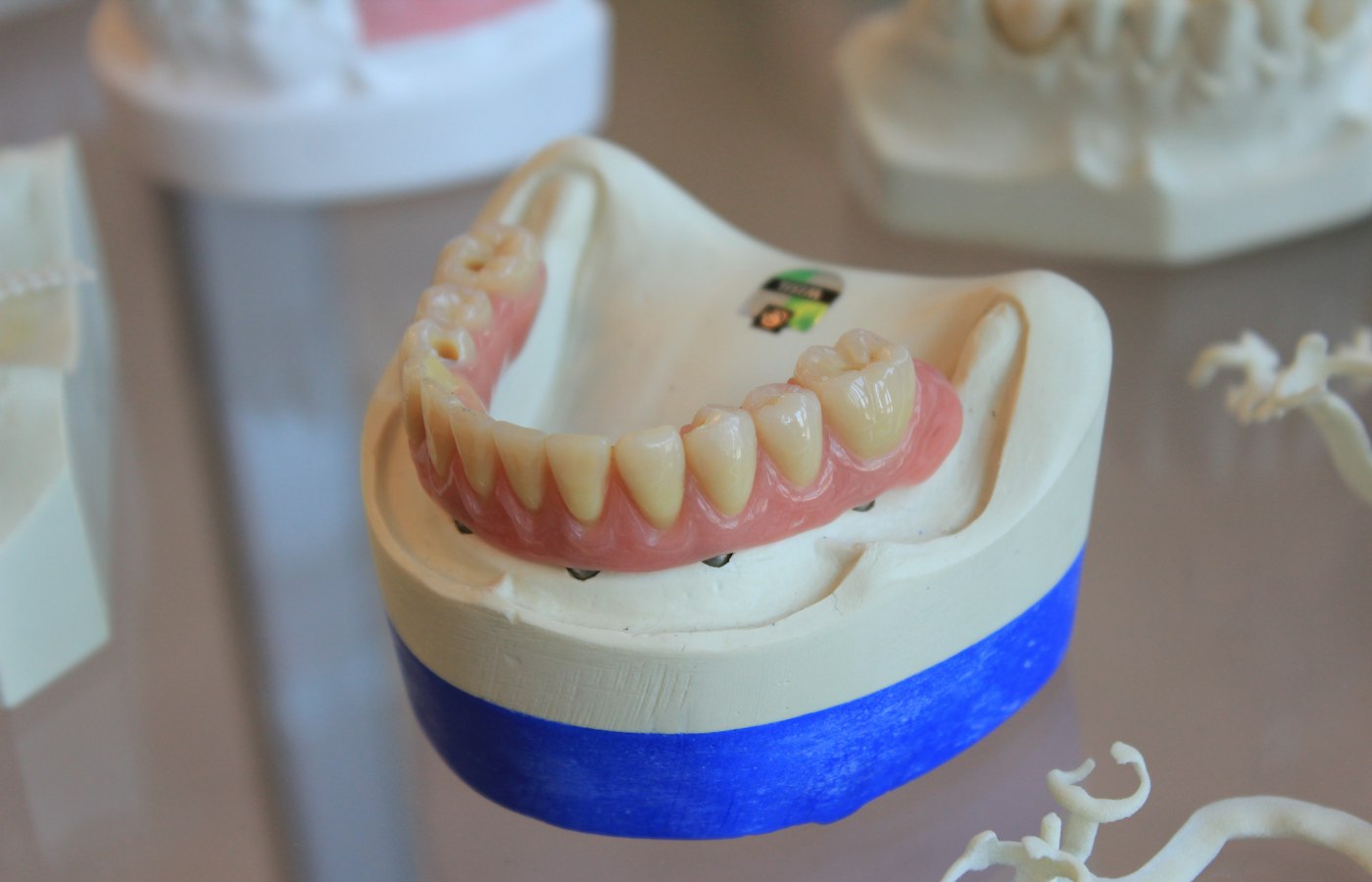
Dentures are removable replacements for several or all teeth. Partial dentures clip onto remaining teeth; complete dentures rest on the gums.
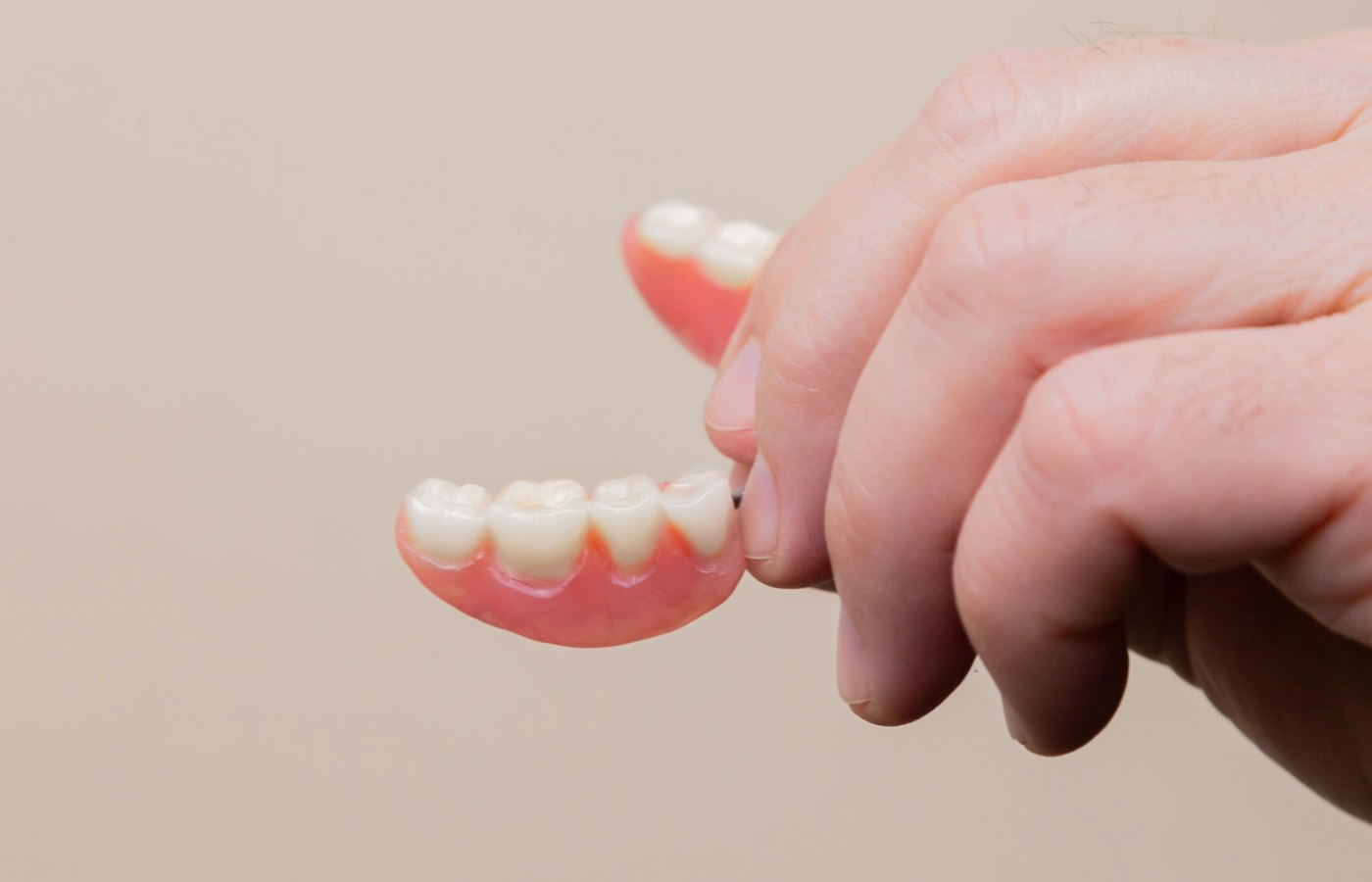
- Pros: the most affordable option, non-invasive and quick to make.
- Things to consider: they can move while eating or speaking, need adjusting as the jaw changes, and take time to get used to.
- Best for: replacing many teeth at once or when other options aren’t suitable. Implant-supported dentures combine the two — a denture that clips onto a few implants for much better stability.
So, which is better?
There’s no single answer — the best choice depends on:
- how many teeth are missing, and where
- the health of your gums, bone and neighbouring teeth
- your general health (for example, diabetes or smoking)
- your budget and how quickly you need treatment
For a single missing tooth with healthy neighbours, an implant is often the most conservative long-term option. If the neighbouring teeth already need crowns, a bridge can make good sense. When many teeth are missing, dentures — or implant-supported dentures — are worth discussing.
What happens at a consultation
Dr. Divya will examine your mouth, take X-rays to check the bone and neighbouring teeth, and walk you through each suitable option with its timeline and costs — so you can decide without pressure.
Not sure which option is right for you?
Book a consultation with Dr. Divya at Yashodhar Dental Clinic, Madhapur. Message us on WhatsApp or call +91 63052 02896.