Introduction
Intraoral scanners are changing the way dentists care for your teeth. These devices create digital dental impressions, making dental visits easier and more comfortable. Today, the importance of intraoral scanner in dentistry is clear. They help dentists work faster and more accurately. As dental technology advancements continue, more clinics now use these scanners to improve patient comfort in dentistry.
What is an Intraoral Scanner?
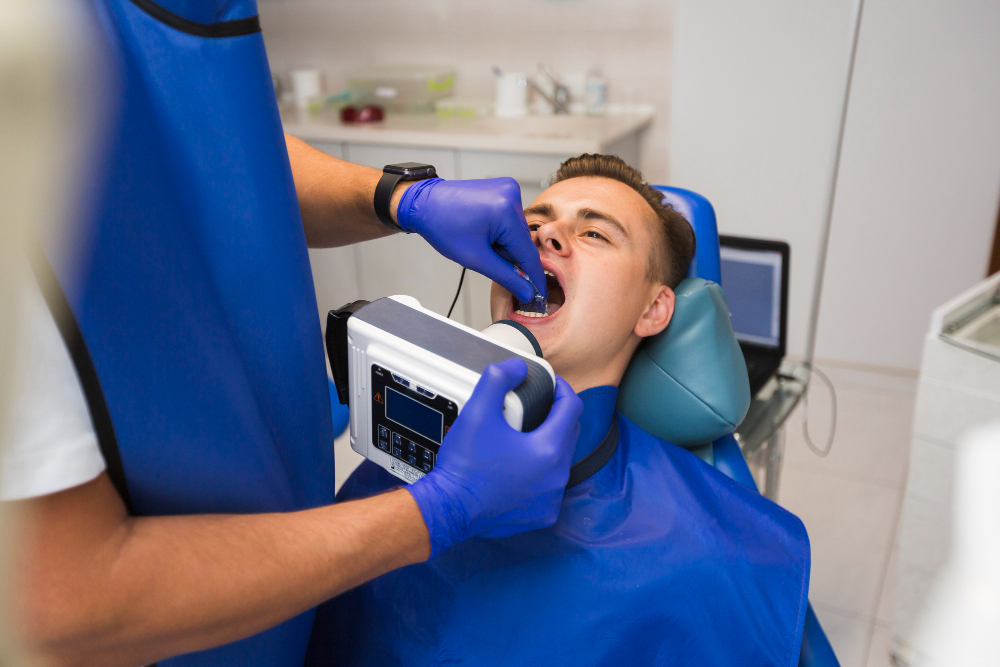
An intraoral scanner is a small, handheld device. Dentists use it to take pictures inside your mouth. These pictures create a 3D digital model of your teeth and gums. Because of this, dentists can see details they might miss with the naked eye. Intraoral scanners are a key part of modern dental technology.
How Intraoral Scanners Work
First, the dentist moves the scanner around your mouth. The device takes many images in seconds. Then, special software combines these images into a full 3D model. This model helps dentists plan treatments and make dental appliances. As a result, the process is quick and simple for both patients and dentists.
Benefits of Intraoral Scanners for Patients
There are many reasons why patients prefer intraoral scanners. Some of the main benefits include:
Because of these advantages, many people now ask for digital dental impressions instead of traditional methods.
Accuracy and Efficiency in Dental Procedures
Intraoral scanners provide high accuracy. This means dental appliances fit better and last longer. Also, dentists can spot problems early. As a result, treatments are more effective. According to dental journals, digital dental impressions reduce errors and improve patient outcomes. In addition, the process is faster, so you spend less time in the dental chair.
Comparison with Traditional Dental Impressions
Traditional dental impressions use trays filled with a soft material. You must bite down and wait for it to set. This can feel uncomfortable or cause gagging. In contrast, intraoral scanners are quick and gentle. They do not require any gooey materials. Also, digital dental impressions are easier to store and share with dental labs. Because of this, many dentists now prefer digital methods.
Common Uses in Dentistry
Intraoral scanners help with many dental treatments. Some common uses include:
With these uses, intraoral scanners play a big role in dental technology advancements.
Patient Experience and Comfort
Many patients feel nervous about dental visits. However, intraoral scanners make the process smoother. There is no need for sticky materials or long waits. Instead, the scan is fast and painless. Patients can also see their teeth on a screen, which helps them understand their treatment. Because of this, patient comfort in dentistry has greatly improved.
Future of Intraoral Scanning Technology
Dental technology is always improving. In the future, intraoral scanners will become even faster and more accurate. New features may include better image quality and easier sharing with other dental specialists. As more clinics adopt this technology, patients everywhere will benefit from better care and comfort.
Tips for Choosing a Dental Clinic with Advanced Technology
If you want the best dental care, look for a clinic that uses modern tools. Here are some tips:
Choosing a clinic with advanced tools can make your dental visits easier and more pleasant.
Conclusion
Intraoral scanners are changing dentistry for the better. They offer accurate results, save time, and improve patient comfort. If you want a better dental experience, ask your dentist about digital dental impressions. Consult your dentist at Yashodhar Dental Clinic & Implant Centre to learn how intraoral scanners can improve your dental care experience.